


Habitats
How to Turn a Small UK Garden into a Bird-Friendly Habitat: A Seasonal Checklist
September 18, 2026
A small garden can be surprisingly good for birds. Not because of its size, but because of what happens in it and when. A courtyard with four pots and a wall can outperform a tidy half-acre if the pots hold the right things, the wall has a climber on it, and there is clean water available through the frost. The trick is to work with the seasons instead of trying to do everything at once.
Think in layers before you buy anything
Most small gardens fall short for one dull reason: there is nowhere to hide. An open lawn, a fence and a few empty pots give a bird no cover, so it drops in, looks around and leaves. Build three layers instead. Ground level for foraging, mid-height shrubs for shelter, and something tall enough to perch in for a lookout.
In a tight space that can be a trained fruit tree in a pot, two decent shrubs, and a climber over an obelisk or a trellis. Height matters more than variety. A blackbird watching for the neighbour's cat from two metres up is far more relaxed than one feeding on open paving.
It also helps to remember that the birds in your garden belong to the whole street. If you and next door both grow berries and both keep a bird bath topped up, the effect multiplies. Gardens join up, even when we don't.
Spring: plant now, and leave nest sites alone
Spring is the planting window that pays off for the rest of the year. Bare-root shrubs are cheaper and establish well in March, and anything you put in now has a full season to settle before winter.
- Berrying shrubs: hawthorn, blackthorn, rowan, guelder rose, elder.
- Climbers: honeysuckle for moths and scent, ivy for late berries and nesting cover.
- Native flowers: foxglove, knapweed, teasel and bird's-foot trefoil, all of which pull in the insects that chicks are fed on.
Nest boxes go up in late winter or early spring, before birds start prospecting. Position them two to four metres up, facing somewhere between north and east so they don't bake in afternoon sun or take the worst of the wind. Angle them slightly forward so rain runs off, and keep them away from the feeder if you can. A busy feeder is a noisy, exposed place to raise a family.
Hole sizes, roughly
25mm suits blue and coal tits. 32mm suits great tits, nuthatches and house sparrows. 45mm is for starlings. Open-fronted boxes attract robins and wrens, but they need to be tucked into dense cover to be used.
Then comes the important part: don't cut hedges or hack back ivy between March and August. It is an offence to damage or destroy an active nest in the UK, and you cannot always see one until you have already cut through it. Check first, and stop if you find anything.
Summer: water, insects and a bit of scruff
Water is the summer job, and it is the one most people forget. A shallow dish with a sloping edge, plus a stone in the middle so bees and small birds can climb out, will be used constantly from May onwards. Keep it topped up, put it in shade if you can, and clean it out every few days, because warm, dirty water spreads disease quickly.
Resist the urge to deadhead everything. Seed heads feed birds later, and the insects on them feed chicks now. Leave a patch of lawn long, let dandelions and daisies flower, and put the sprayer away. A garden that has been sprayed clean has nothing to feed a brood.
If you feed through summer, keep going rather than stopping and starting. Use sunflower hearts and peanut granules rather than whole peanuts while chicks are around, and move feeders if a cat has found a good ambush spot underneath. Fledglings are slow and hopeless for a week or two, and they need all the help they can get.
Autumn: berries, seed heads and the big tidy-up
Autumn is where small gardens either gain or lose their winter larder. Leave the seed heads on teasel, sunflowers, sedum and knapweed standing through the cold months. Rake fallen leaves into a corner instead of bagging them, and let them rot down; leaf litter is a nursery for the insects that blackbirds and robins will pick through in January.
This is also the moment to break the habit of cutting everything back to the ground. A tidy garden in October is a hungry garden in December. Cut back in late February or March, once the berries and seeds have gone, and trim ivy after the berries have been stripped rather than before.
Clean feeders properly before winter feeding begins in earnest, and start putting food out before the first cold snap. Birds need to know where the reliable food is before they need it, not after.
Winter: food, unfrozen water and somewhere to roost
High-fat food earns its place now. Suet, sunflower hearts and peanut granules give birds the energy to survive long, freezing nights. Feed at the same time each day if you can, ideally early, and keep the supply steady. A feeder that empties for a week mid-January is worse than no feeder at all.
Water matters just as much as food, and natural sources are often frozen solid. Pour warm water over the ice rather than smashing it, which can crack a bath or damage the glaze. If you use a ground dish, bring it in at night so it doesn't freeze through.
Hygiene is the dull, essential part of winter feeding:
- Clean feeders every couple of weeks, more often in mild, damp spells.
- Brush out old food and debris, then wash with hot soapy water and a bird-safe disinfectant.
- Rinse thoroughly and let everything dry completely before refilling.
- Move feeders around the garden occasionally so dropped food doesn't build up in one place.
- Clear spilled seed and hulls from the ground, which keeps rats and mice at a distance.
- Bin any food that looks mouldy, clumped or damp, and wash your hands afterwards.
Finally, leave somewhere warm and dry. A dense evergreen shrub, a thick ivy wall, a small log pile or a nest box left up over winter all give birds somewhere to sit out the worst of the weather. Shelter is the part of habitat that small gardens most often lack, and it is the cheapest to add.
Start with three changes this week
You don't need to redesign anything. Put out a shallow dish of clean water and keep it clean. Add one berrying shrub or climber in a decent-sized pot. Stop cutting one corner of the garden until late February. Those three moves alone will change who visits.
Then build slowly, season by season. Watch what actually turns up: if the feeder is quiet, check for cover nearby and for cats. If birds visit but never linger, you probably need a shrub. Small gardens respond fast. Give it a year of sensible planting and consistent feeding, and you will notice the difference by next spring.
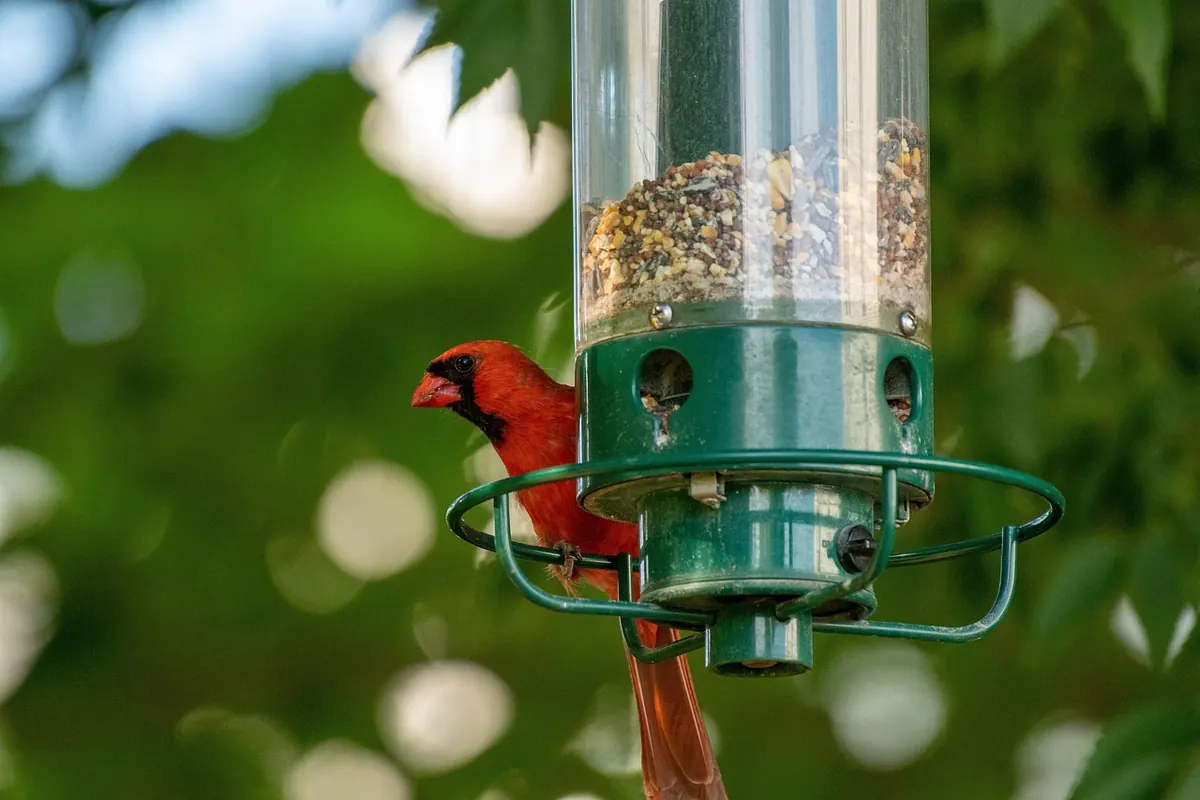
Photo: PilotBrent / Pixabay
Related posts
More stories you’ll love reading