



Conservation
Common Nest Box Mistakes to Avoid: How to Site, Clean and Monitor Safely
September 21, 2026
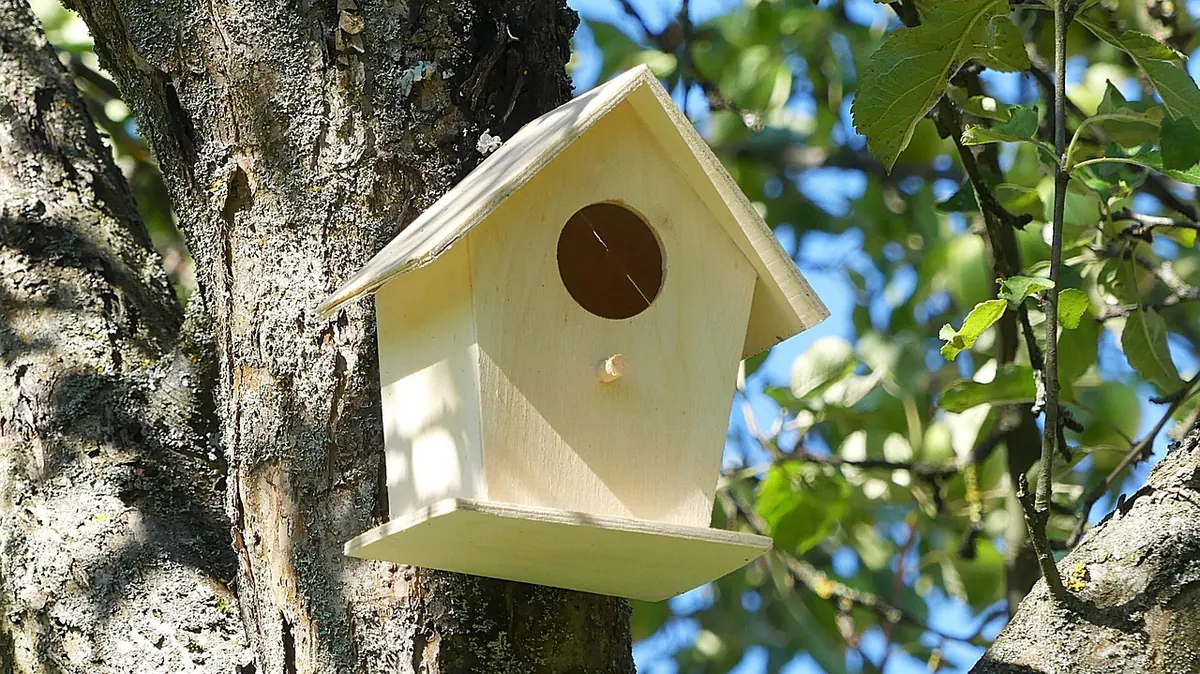
A nest box is one of the cheapest pieces of conservation you can put up, and one of the easiest to get wrong. The box itself is rarely the problem. More often it is the height, the direction it faces, the moment you decided to clean it, or the fact that it has been screwed shut for six years. None of those mistakes are dramatic. They just quietly reduce the odds of a brood making it out of the hole.
The good news is that every one of them is fixable. Here are the errors that come up again and again, and what to do instead.
Mounting It Too Low, or Facing the Wrong Way
Height is the first thing people compromise on, usually because a ladder is involved. A box at eye level is convenient for us and risky for birds; cats, foxes and curious hands all have easy access. Aim for roughly two to four metres up: high enough to be out of reach, low enough that you can still clean and check it safely. A box you cannot reach is a box you will not look after.
Direction matters more than most people expect. In the UK, a north- or east-facing box avoids the worst of the midday sun and the prevailing south-westerly rain. A box on a south or west wall or trunk can overheat in a hot spell and take a soaking in driving rain. If a sunny wall is your only option, a little shade from foliage above is worth more than a perfect box in the wrong place.
Angle it very slightly forward, just a few degrees, so rain runs off the roof instead of into the entrance. Tilting a box backwards turns the floor into a shallow puddle, and damp nests fail.
The Wrong Fixing, in the Wrong Place
Most mounting mistakes are small and easy to avoid:
- Wire or thin cord wrapped round a trunk. It can bite into growing bark. Use a proper tree strap, or hang the box on a nail or screw driven into a post.
- A perch below the hole. It helps nothing except predators and larger birds. Native hole-nesters do not need one.
- A spot beside a busy path, a window or a feeding station. Disturbance and window strikes both cost broods.
- Boxes crowded onto one tree. Most species defend space around the nest, so spread them out and vary the aspect and hole size if you are putting up several.
Hanging It Up at the Wrong Time
New boxes belong in place in autumn or early winter, not in the middle of spring. Autumn gives birds months to find the box, inspect it and use it as a winter roost, which is one of the most underrated reasons to put boxes up at all. Tits, wrens and other small birds will huddle in them on freezing nights.
The related mistake is fiddling with a box once nesting has begun. From roughly March onwards, a box that suddenly moves position or gains a new baffle is likely to be abandoned. If a bird is already building, leave everything alone until the season is over.
When to look, and when to walk away
Monitoring should be light-touch. A single quick look to record what is inside is fine; opening the box daily to see how the eggs are doing is not. Experienced nest recorders generally check no more than weekly during laying and incubation, and less often after chicks hatch, because the risk of chilling young or leading a predator to the box rises sharply. Remember that in the UK all wild birds' nests are protected while in use, and inspecting the nests of certain species requires a licence. If you are unsure, watch from a distance and note what you can see from outside. Your national agency — Natural England, NatureScot, Natural Resources Wales, or DAERA in Northern Ireland — can advise.
Cleaning Mistakes That Do More Harm Than Good
The most common error is cleaning at the wrong time, or never. Empty the box once the breeding season has finished, between late summer and late winter, and never while a nest is in use or a bird is roosting in it during a cold snap.
The second error is reaching in blind. Boxes double as winter shelter for all sorts of wildlife, including wasps, hibernating butterflies and small mammals. Bats and their roosts are legally protected, so if you find one, close the box gently, leave it as it was and take advice before doing anything else.
- Put on gloves, and a mask if the old nest is dusty.
- Remove the nest material and bin it well away from the box rather than dropping it at the base of the tree.
- Scrape out dried debris with a stiff brush or scraper.
- Rinse with boiling water if it needs it. Skip bleach, insecticides and wood preservatives inside the box.
- Let it dry completely, check the drainage holes are clear, then close it up again.
Never treat the inside of a box with timber products. Creosote-type treatments and many wood preservatives are harmful to birds and chicks. Untreated timber, or a box treated only on the outside, is the safer choice.
The Details That Decide Whether a Box Works
Hole size quietly filters your visitors. Around 25 mm suits blue and coal tits while keeping out larger birds; 32 mm is the usual choice for house sparrows and nuthatches; roughly 45 mm, or an open-fronted design, appeals to starlings, robins and wrens. A metal plate around the entrance stops squirrels and woodpeckers from enlarging it.
Then check the basics: drainage holes in the floor, a little ventilation near the top, a roof that overhangs the front, and no perch. Thicker walls insulate better than thin ply. Give the box a quick wobble in a winter gale — if it moves, it is not fixed properly.
A Simple Seasonal Routine
Put new boxes up in autumn. Resist touching them from March to August. Clean and repair in late summer or autumn, and check fixings and straps at the same time. Keep a short note of what you see each year: which box, which species, how many young fledged. Patterns show up quickly, and a box that fails three seasons running usually has a siting problem worth changing.
None of this takes long. An hour in autumn, ten minutes in spring and a little restraint in between is enough to turn a decorative box on a wall into a genuine piece of conservation.
Photo: PIX1861 / Pixabay
Related posts
More stories you’ll love reading